Sóller Orange and the Hidden Valley That Changed Mallorca
For centuries, travelers from distant lands have found their way to Sóller, drawn by the scent of orange blossoms and the mystery of its landscape.
But Sóller is not only a story of fruit—it is a valley shaped by stone, water, and the enduring collaboration of its people.
Taste the valley. Wear the eclipse.
On 12 August 2026, Sóller will experience one of Europe’s most extraordinary natural events. Discover the valley during Eclipse Week, then take a piece of the moment with you through our limited Sóller and Eclipse editions.
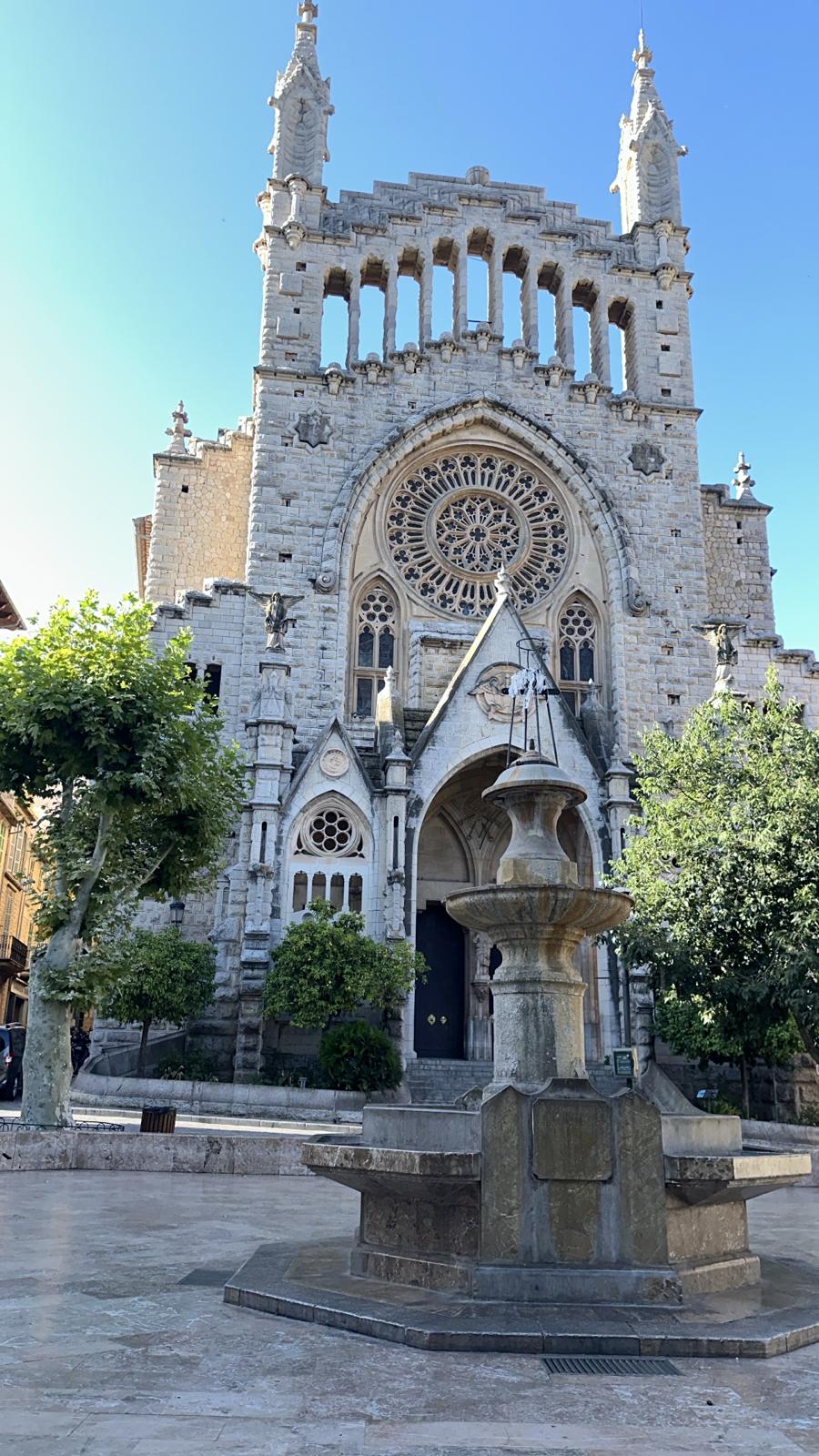
“Each time you take a picture of the Cathedral, ride the iconic tram, or pause to admire Sóller’s architecture, remember: behind every stone and street is an orange route—once a path for export, now a route of welcome, still bursting with flavour and vitamin C to empower your journey.”
A Fertile Oasis: Nature, History, and Human Hands
The valley’s unique microclimate—shaped by the Tramuntana mountains, Mediterranean sun, and pure water from natural springs—makes Sóller a true vergell (garden). Here, oranges, lemons, clementines, and mandarins thrive alongside olive trees and vegetable plots.
But this lushness is not a random gift of nature. Over generations, local families built marjades (dry-stone terraces), conquering steep slopes stone by stone. These terraces not only hold the earth, but also capture every drop of water—creating a landscape both beautiful and productive.
Water, Knowledge, and Community: The Real Secret of Sóller’s Valley
The iconic síquies (irrigation channels) of Sóller do not simply carry water from wild torrents. Instead, they channel the pure flow from ancient springs like the Font de s’Olla through the valley’s terraces and orchards.

This water is a shared community resource, not private property. Its journey depends on trust and collaboration among all the valley’s irrigators. The síquies wind through dozens of private fields and orchards, requiring constant dialogue, mutual respect, and collective responsibility.
Not only does the official siquier (water master) manage the flow, but the entire community is involved—negotiating, adapting, and ensuring that the water is shared fairly.
The true knowledge of Sóller is not written in books, but lived in language and gesture:
Verbal and non-verbal cues, inherited from ancestors, guide how and when water is used. This is a living culture, a school with no diploma but deep roots in the land.
To walk in Sóller is to enter a world where water, words, and wisdom are one. This is how the valley thrives—by sharing, listening, and belonging.
From Sûlyâr to Sóller: A History Shaped by Citrus
The origins of Sóller’s citrus story reach back to the 10th century, when Arab settlers arrived on Mallorca and named the valley “Sûlyâr.”
These early inhabitants brought with them advanced agricultural techniques, a new vision for harnessing water, and—crucially—the bitter orange tree. Sûlyâr quickly became a place where irrigation, terraces, and gardens transformed the landscape, laying the groundwork for centuries of citrus cultivation.
The sweet orange, originally from India, would follow many centuries later. Traveling the ancient Silk Road, sweet oranges spread through the Mediterranean and reached the Iberian Peninsula in the 15th and 16th centuries. By the late 1500s, Sóller—still echoing its name of Sûlyâr—was already famed for its thriving orange groves, making it the true citrus pioneer of the Balearics.
A Citrus Symphony: Oranges, Mandarins, Clementines, and Lemons
Sóller’s Orange Valley is a showcase of Mediterranean citrus diversity.
-
Canoneta: The iconic local orange—small, aromatic, sweet, and thin-skinned. Best enjoyed fresh, as juice, or in local desserts.
-
Navel Oranges: Juicy, seedless, and perfect for eating or juicing.
-
Late Oranges (“taronja tardana”): Ripen in late spring, offering robust flavor for juice and preserves.
-
Mandarins & Clementines: Fragrant, easy-to-peel, and ideal for snacking or desserts.
-
Lemons: Tangy and aromatic, essential for Mallorcan ice cream, cakes, infusions, and local drinks.
The citrus calendar gives Sóller year-round flavor: mandarins and clementines in early winter, canoneta and navel from December to spring, late oranges in May–June, lemons almost always.
Every café, market, and tasting tour reflects this diversity:
No two glasses of orange juice in Sóller ever taste quite the same.
Port de Sóller: The Harbor That Opened the World
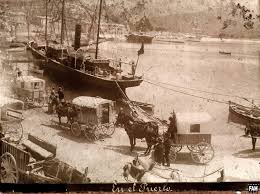
Sóller’s valley was always isolated from the rest of Mallorca by mountains. The sea was its only road. Construction of the port began in 1772, driven by the need to export citrus.
In the 19th and early 20th centuries, Sóller became Mallorca’s most outward-looking town, shipping oranges, lemons, and olive oil to France, Sète, Barcelona, Valencia, and as far as London.
Steamships like the León de Oro, Villa de Sóller, and Maria Mercedes made the Sóller–Marseille route legendary. The “gold of Sóller” funded a wave of modernist mansions, public works, and a new cosmopolitan culture.
Rise, Hardship, and Renewal: The Sóller Orange’s Journey
The orange boom of the 1800s brought both wealth and challenges.
-
1830s–1860s: Sóller’s economy blossomed, and its oranges conquered international markets.
-
1865: A devastating blight forced many to abandon their groves, prompting waves of emigration to France, Switzerland, Belgium, and the Spanish mainland.
-
Returning emigrants later restored Sóller’s splendor, bringing wealth, ideas, and the cosmopolitan flair that shapes the valley today.
-
1905: King Alfonso XIII granted Sóller “city” status.
-
1912: The Palma–Sóller railway opened, ending geographic isolation and connecting the valley to Palma—and the world.
The Orange Fair (Fira de la Taronja): Sóller’s Citrus Festival
Each spring, the Orange Fair transforms Sóller into a living celebration. Restaurants and bakeries create menus around the orange—think orange & prawn rice, ensaimada with orange cream, jams, liquors, and more.
Guided tours, tastings, and contests fill the week, blending local and visitor communities in a celebration of citrus culture.
Sóller Orange in the Kitchen: Real Recipes and Living Tradition
In Sóller, oranges are not just an ingredient—they are a way of life. Each spring, the valley’s best chefs and home cooks create vibrant dishes and desserts inspired by the unique flavour of Sóller’s citrus. Whether you’re enjoying a festive tasting menu during the Orange Festival or sampling a family recipe passed down through generations, you’ll discover that oranges here touch every part of the table. These are some of Sóller’s most authentic and beloved orange-inspired creations:
-
Sóller Prawn & Orange Creamy Rice (Arròs melós de gamba de Sóller amb allioli de taronja i romaní)
A creamy rice dish featuring local red prawns from Sóller, finished with a light orange and rosemary aioli. This is the taste of the valley’s sea and citrus together—a true star during the Orange Festival. -
Sea Bass with Sóller Orange and New Potatoes (Llubina a la taronja i patató amb allioli de safrà)
Local sea bass gently cooked with Sóller oranges and baby potatoes, served with saffron aioli. A perfect balance of land and sea, celebrating the Mediterranean tradition. -
Sóller Orange Carpaccio with Goat Cheese, Capers, and Almonds (Carpaccio de taronges amb formatge de cabra, tàperes mallorquines, ceba i ametlles torrades)
Thinly sliced Sóller oranges, creamy local goat cheese, Mallorcan capers, sweet onion, and toasted almonds—this fresh salad captures the pure essence of the valley. -
Sóller Orange & Almond Tart with Caramelized Peel (Tarta de taronges i ametlles de Sóller amb pell de taronja amarga caramel·litzada)
A classic dessert: almond and orange tart made with Sóller’s best citrus and nuts, finished with caramelized bitter orange peel. A highlight at local bakeries and homes. -
Sóller Orange Sorbet on Citrus Waffle (Sorbet de taronja de Sóller sobre gofre amb toc cítric)
House-made orange sorbet served on a waffle scented with citrus zest—a refreshing dessert that showcases Sóller’s sun-drenched orchards. The town’s signature dessert can be found in local gelateries such as Ca’n Pau and Fet a Sóller. -
Bitter Sóller orange marmalade: Essential for breakfast, this local delicacy is made and sold in markets and homes throughout the valley. For an even more meaningful taste, try the marmalade produced by Estel Nou, a Sóller association that provides employment and support for people with disabilities—combining authentic flavour with a commitment to social inclusion.
Taste the valley. Wear the moment.
Discover the food culture born from Sóller’s oranges, then wear a limited edition inspired by the valley and the total solar eclipse of 12 August 2026.
The Sóller Citrus Route: Walk, Taste, and Belong
To experience Sóller is to join its story:

-
Walk or cycle through stone-walled terraces and ancient groves.
-
Visit family estate Ecovinyassa for tastings, jam-making, and cooking workshops.
-
Book a private chef to discover dishes shaped by centuries of local and global influence.
-
Join the Orange Fair in spring for an immersion in citrus culture.
A Shared Heritage: Language, Water, and the Wisdom of the Land
Community is the secret ingredient:
The survival of Sóller’s landscape depends not just on physical work, but on a living language—a culture of dialogue, gesture, and unwritten rules. True mastery of the land and water isn’t certified by diplomas, but by time, participation, and listening to the valley itself. To understand Sóller is to learn its language—spoken and silent, inherited and lived.
Plan Your Sóller Orange Valley Experience
Whether you want to taste, walk, photograph, or simply breathe in the scent of Mediterranean citrus, Sóller’s Orange Valley is an invitation to slow down, connect with tradition, and enjoy the true flavour of Mallorca.
Best times to visit:
-
Blossom: March–April
-
Harvest: Winter to early spring
-
Eclipse Week: August 2026, centred on the total solar eclipse of 12 August
Live, walk, and taste the Citrus Route:
Every orange, every glass of juice, every story told in the shade of a canoneta tree is an invitation to belong—to the land, the water, and the living community that keeps Sóller’s magic alive.
Looking for an authentic experience in the heart of the orange valley?
Stay at a traditional Mallorcan finca surrounded by citrus groves and centuries-old terraces. Discover peace, history, and Mediterranean flavour at Finca Cas Curial in Sóller – the perfect base for ecotourism, citrus tasting, and exploring the Sóller Citrus Route.
Taste Sóller. Wear Eclipse Week. See the sky go dark.
Build your visit around the valley’s citrus culture and the total solar eclipse of 12 August 2026. Explore curated experiences, discover limited editions and plan before availability tightens.
Small-group eclipse experiences and selected products are limited.